A World of its Own — The Work of Jean-Baptiste Besançon
Jean-Baptiste Besançon lives and works in Bordeaux, where he was born in 1985. Introduced to plastic arts at a very young age, but self-taught in his artistic practice, he has established a sustained rhythm of production and renewal, creating sensitive, profoundly alive work.
Driven by the vibration of colours and the expression of forms, Besançon’s compositions at times include a point of entry, which draws in the eye before it ventures to the rest of the work. Some works derive their energy and movement from large diagonal strokes, while others hinge on unexpected, spontaneous forms. Summing up his research as an abstract painter, Pierre Soulage said, “It is what I do that teaches me what I am looking for.” The same intuition is noticeable in Besançon’s approach: his compositions are not guided by preconceived ideas; rather, they reveal themselves, discovered in the course of their execution.
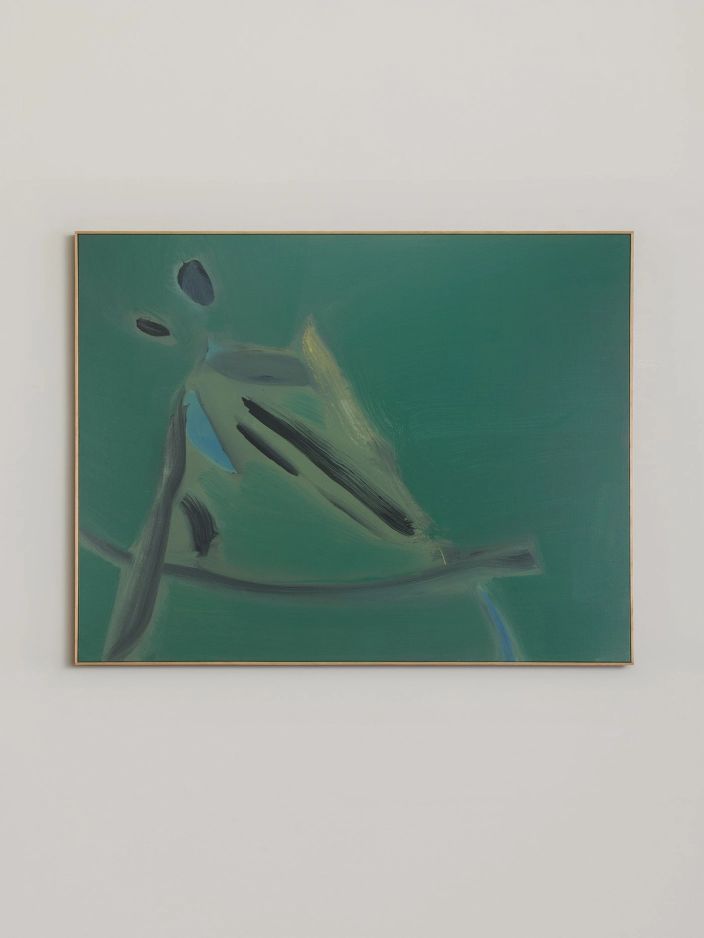
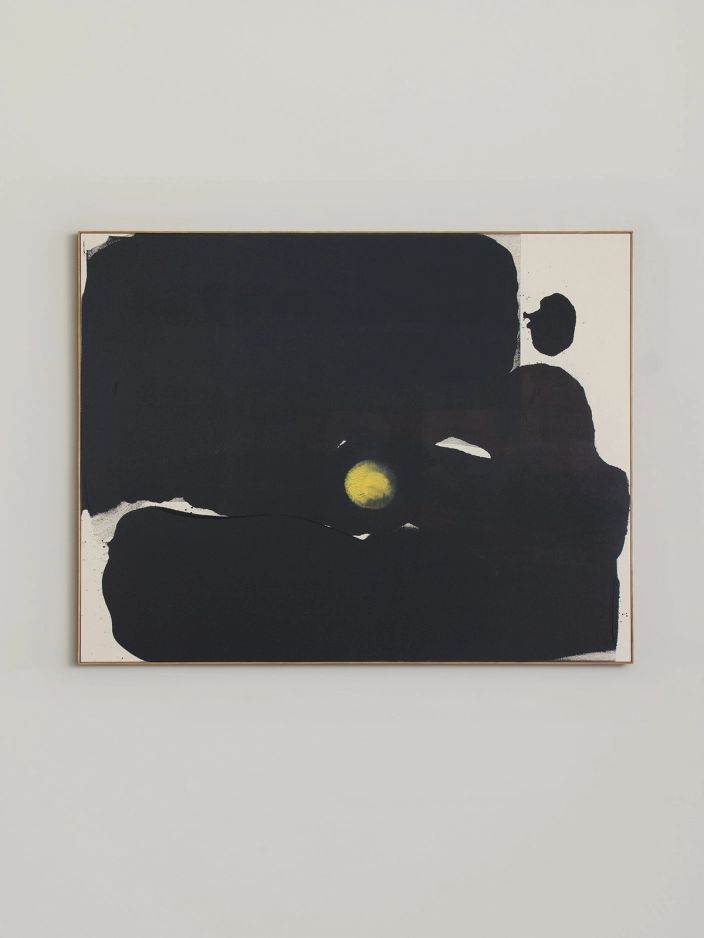
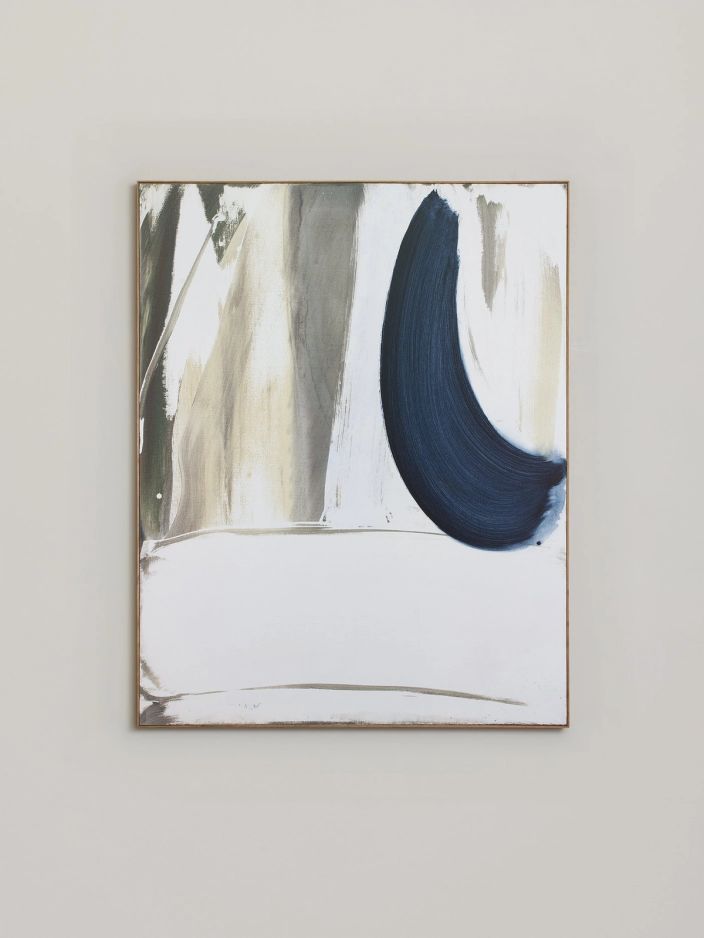
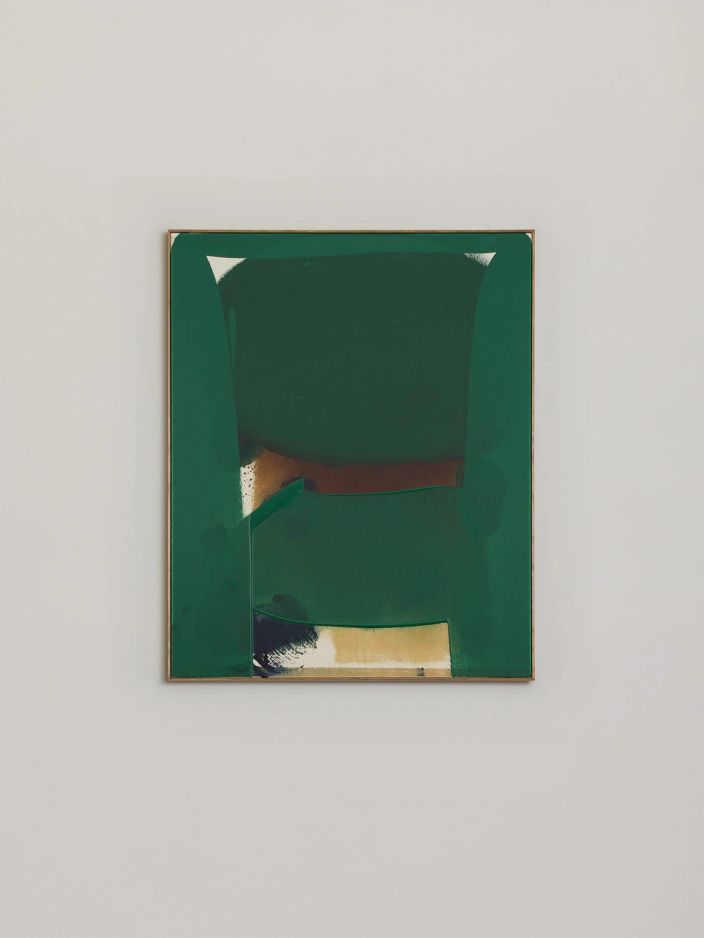
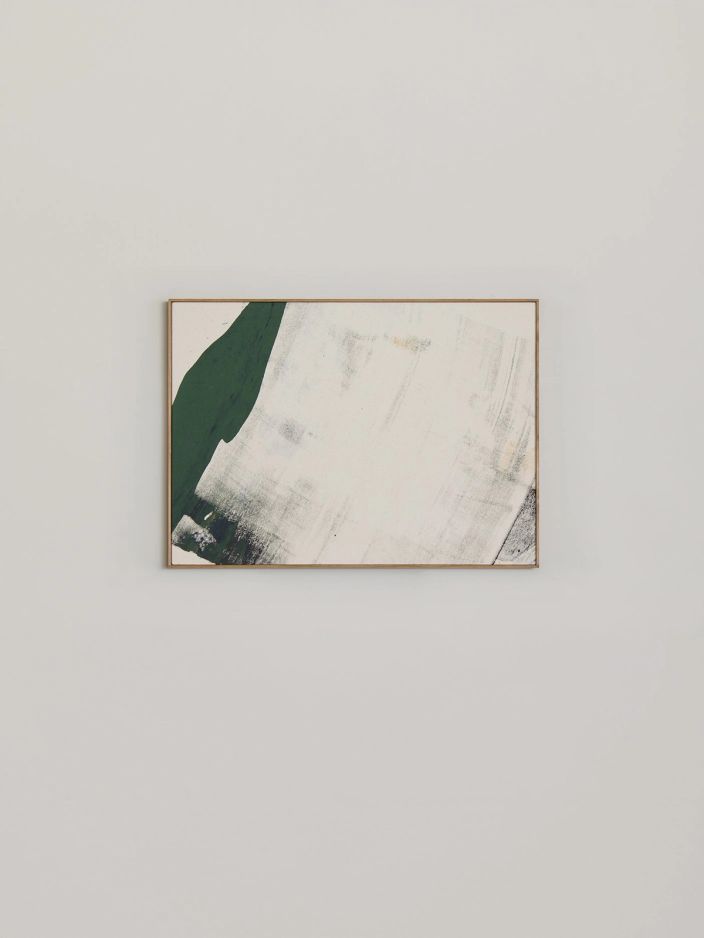
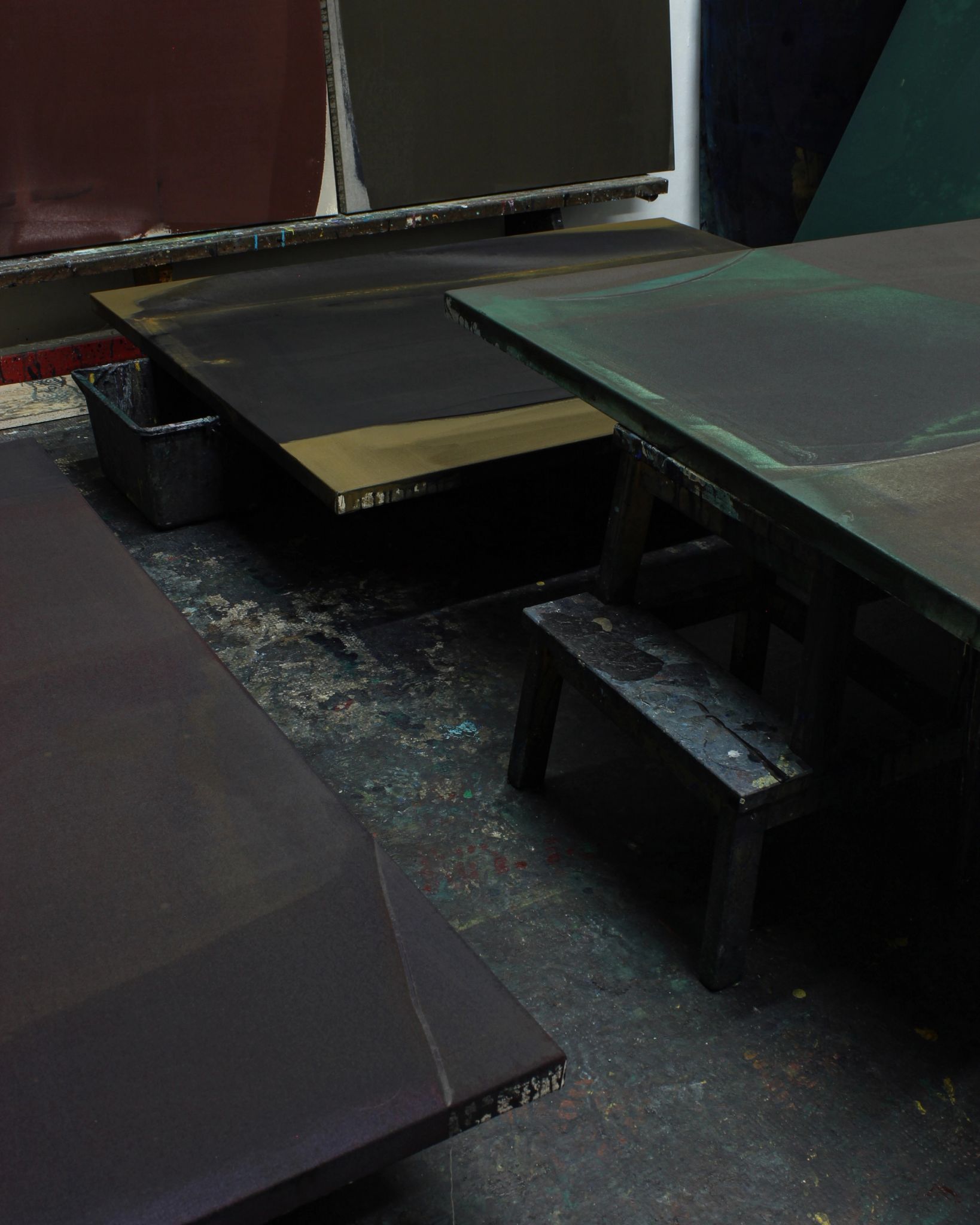
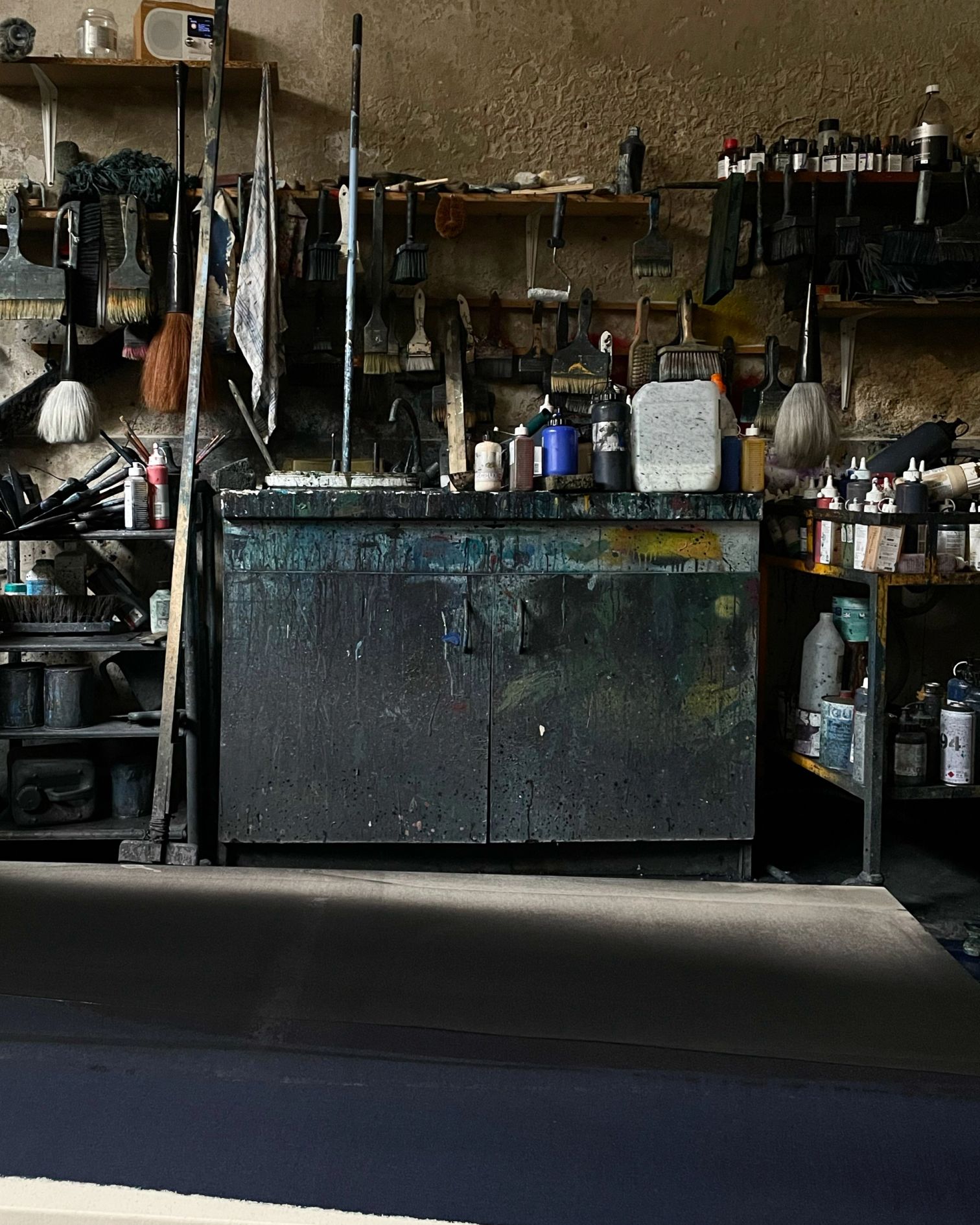
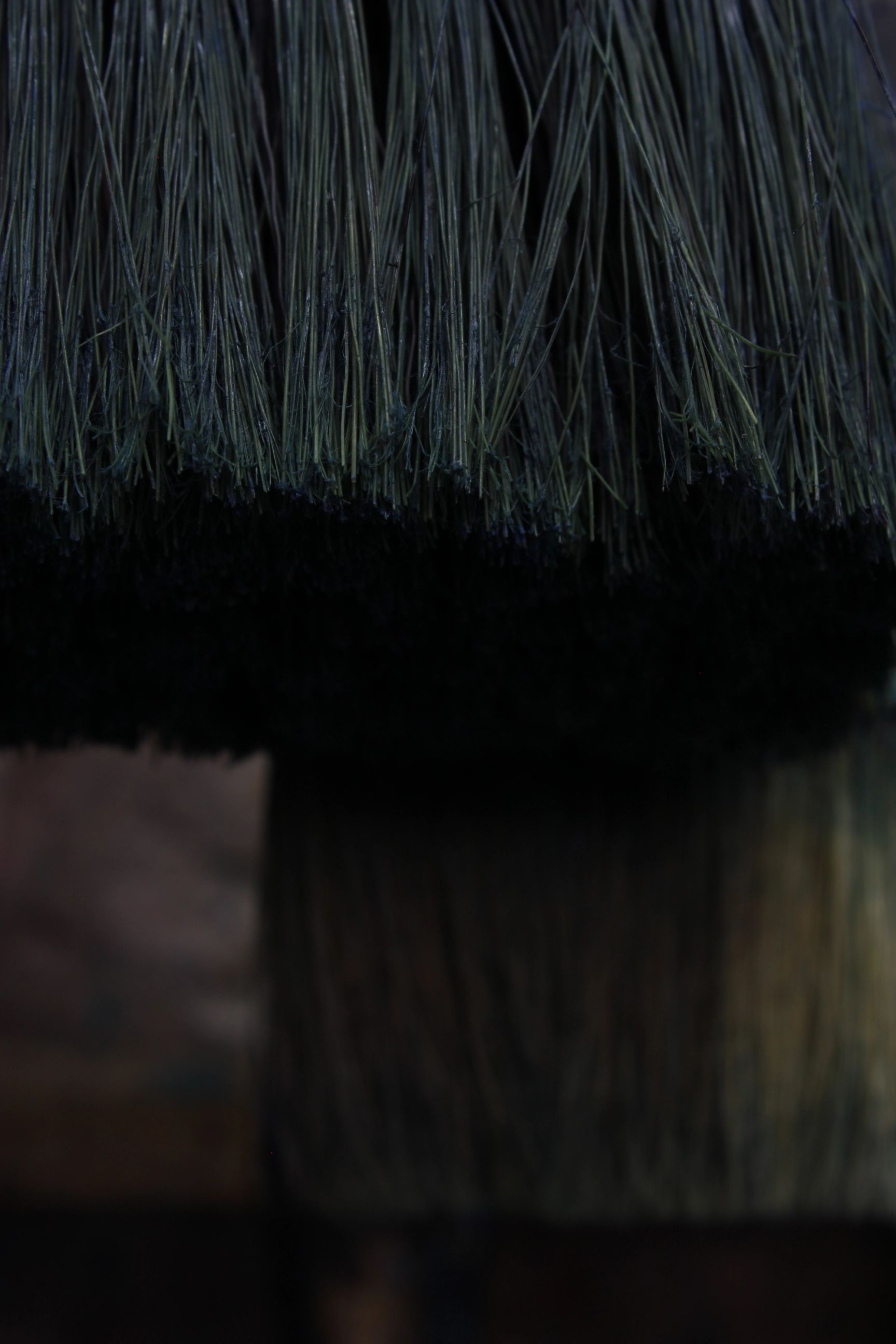
In his studio, Besançon works simultaneously on several canvases, laid horizontally and slightly raised from the ground. He moves between them, tracing, flattening, brushing and orienting the paint in either large flat areas or more concentrated strokes, without erasing the traces left by his tools. His palette primarily comprises black, Payne grey, Prussian blue, English red, certain greens, sienna and ochre, blended directly on the canvas. The ecru and woven threads of the scraped cotton are also often visible and integrated into the work. Water is a central element in his creative process: in the manner of a water colourist, he soaks the surface of the canvas, thus triggering chromatic changes.
Research into print processes allows Besançon to integrate a further element of chance into the act of painting. Using a technique similar to that of monotype or engraving, he arouses the uncertainties from which he will compose, playing with the tension between precise gestures and variable materials.
Far from figuration, these abstract landscapes are charged with a magnetic presence. They possess their own aesthetic coherence, and respond to each other from one canvas to the next. The paintings do not bear any titles, a deliberate refusal to have two languages of different natures cohabit, or to burden with meaning that which strives to awaken sensation; in Besançon’s works, one senses a dialogue taking place that is far from words.
Words
- Elodie Kuhn
Photos
- Jean-Baptiste Besançon